Clapton E5 House Removals Guide for Narrow Streets
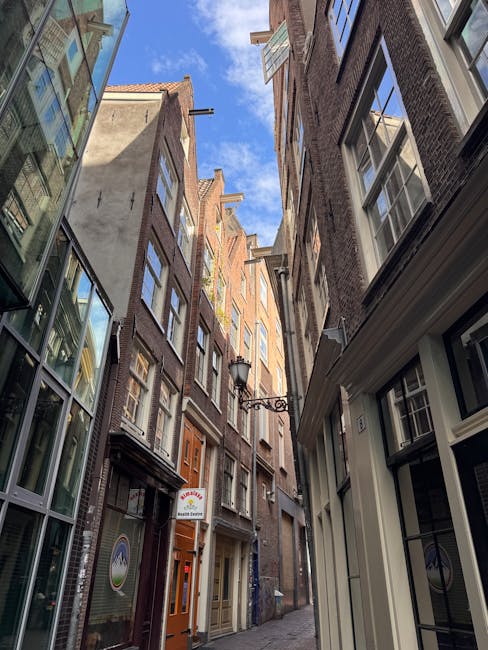
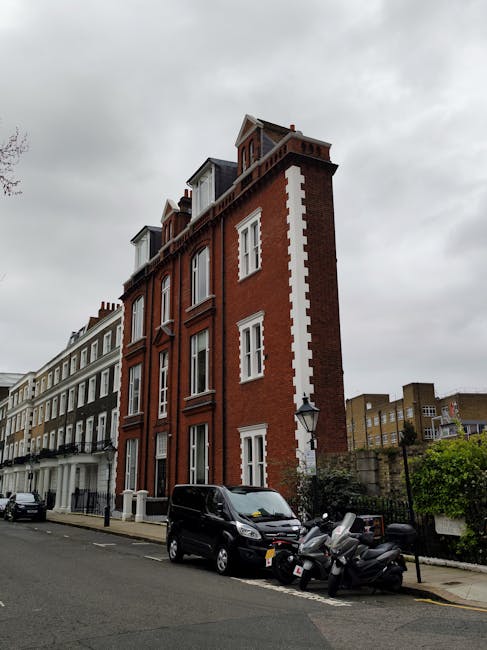
Moving house in Clapton E5 is rarely just about boxes and a van. If your street is tight, parked-up, one-way, or lined with terraced homes, the real challenge is access. A perfectly organised move can still slow down if a removal vehicle cannot stop close enough to the property, if the stairwell turns are awkward, or if neighbours need enough room to pass. That is why a Clapton E5 house removals guide for narrow streets needs to be practical, local, and realistic.
This guide walks you through the parts people often underestimate: planning access, choosing the right vehicle, packing for short carry distances, protecting furniture, and keeping the day calm when the street feels anything but calm. Whether you are moving from a top-floor flat, a Victorian terrace, or a family home tucked into a busy residential road, the aim is the same: get everything out safely and without wasting time.
For readers looking at wider move planning, it can also help to read about stress-free packing strategies and the practical approach to decluttering before a move. Smaller loads and better packing usually make narrow-street moves far easier.
Table of Contents
- Why Clapton E5 house removals guide for narrow streets Matters
- How Clapton E5 house removals guide for narrow streets Works
- Key Benefits and Practical Advantages
- Who This Is For and When It Makes Sense
- Step-by-Step Guidance
- Expert Tips for Better Results
- Common Mistakes to Avoid
- Tools, Resources and Recommendations
- Law, Compliance, Standards, or Best Practice
- Options, Methods, or Comparison Table
- Case Study or Real-World Example
- Practical Checklist
- Conclusion
- Frequently Asked Questions
Why Clapton E5 house removals guide for narrow streets Matters
Narrow streets change the shape of a move. In a wider suburb, the main job is often loading and timing. In Clapton E5, access can be the deciding factor. A van may need to park farther away than expected, which means more carrying, more turns, and more chances for items to be damaged if they are not packed properly. On a busy road, traffic flow and parking pressure can also make a simple job feel much more complex.
That matters because removals are not just a logistics exercise; they are a coordination exercise. If you do not plan where the vehicle will stop, how the crew will carry items, and which possessions need special handling, the move can quickly become slow and stressful. Truth be told, most delays on tight residential streets come from access problems rather than from the packing itself.
There is also a neighbour and community angle. When a move blocks a footpath or sits across a driveway for too long, it can create friction. A careful plan respects the street, keeps the move moving, and reduces the chance of last-minute disruption. That is especially helpful in areas where homes are close together and parking spaces are already limited.
For many local households, using a service with a strong understanding of access planning is the difference between an all-day struggle and a controlled, efficient move. If you want a broader service overview before booking, the services overview is a useful starting point.
How Clapton E5 house removals guide for narrow streets Works
A good narrow-street move begins before moving day. The process normally starts with an access review: where can the van park, how far is the carry distance, is there a slope, are there stairs, and are there any tight corners inside the property? These details shape the vehicle choice, crew size, packing method, and timetable.
Next comes route and parking thinking. In some Clapton streets, a larger removal lorry may be unnecessary or awkward, while a smaller man and van service in Charlton style setup can be easier to manoeuvre in tighter spaces. For compact homes, flats, and smaller loads, that flexibility is often more useful than a bigger vehicle on paper.
Then there is the physical move itself. Items are taken from the property to the vehicle using protected routes, lift sheets, dollies, straps, and careful team handling. If the parking point is farther away, the team may stage items in a hallway or just inside the entrance to keep the carry efficient. This is where clean packing and sensible labelling really pay off.
If you are moving a sofa, mattress, or other awkward item, the local carrying distance matters more than you might think. A sofa cover that looked optional suddenly feels essential when you are turning a corner around a narrow porch. For that reason, it is worth reading advice on preserving your sofa for the long haul before the day arrives.
Key Benefits and Practical Advantages
When narrow streets are handled well, the benefits are immediate and tangible. The obvious one is less stress. The less obvious one is fewer moving parts, literally and figuratively. A planned access route reduces carrying errors, damaged corners, wasted time, and the awkward shuffle that happens when everyone is waiting for the next item to come through the doorway.
Here are the main advantages:
- Safer handling: shorter, clearer carrying routes reduce strain and the chance of drops.
- Better time control: even if the van parks farther away, the team can work in a steady rhythm.
- Lower damage risk: items are moved with more attention when access issues are anticipated early.
- Less street disruption: a controlled loading plan is kinder to neighbours and pedestrians.
- Smarter vehicle choice: you can match the van to the street instead of forcing a poor fit.
There is also a cost benefit. Moves that seem cheap at first can become expensive if the wrong vehicle, too few helpers, or poor packing causes delays. A more suitable setup can reduce extra labour time and keep the job orderly. That does not mean you need the largest vehicle or the most expensive package. It means you need the right fit.
For some households, especially those in flats or houses with only a small number of items, a tailored service such as flat removals or a flexible removal services package may be the most practical choice.
Who This Is For and When It Makes Sense
This guide is especially useful if you live in a part of Clapton E5 where parking is tight, pavements are narrow, or the street layout makes larger vehicles awkward. It also suits anyone moving from a property with stairs, shared entrances, or limited outside waiting space.
You will benefit most if you are:
- moving from a terraced house or maisonette on a narrow road
- leaving a top-floor flat with limited landing space
- moving with bulky furniture, such as a wardrobe, sofa, or bed frame
- trying to avoid a full-size lorry on a road with restricted access
- working to a tight timeslot and need the day to run smoothly
- handling a student move, one-bedroom move, or compact household relocation
It also makes sense if you are unsure whether to book a full removals team or a smaller vehicle-based service. In a street with awkward access, smaller and more flexible can be better than larger and more formal. For many people, especially those with limited inventory, a man with a van option is the sweet spot between cost and practicality.
If your move also includes items that need protected handling, such as a piano or heavy furniture, narrow streets make the loading challenge more technical. The loading point may not be right outside the door, and that changes how the team stages each item. In those cases, specialist support can be worth it.
Step-by-Step Guidance
Here is a sensible order to follow if you want to make a Clapton E5 move easier on a narrow street.
- Check access early. Look at your road at different times of day. Notice parking pressure, delivery traffic, and how easily a vehicle could stop near your building.
- Measure the awkward items. Don't guess. Measure sofas, beds, wardrobes, and anything that needs to pass through tight doors or stair turns.
- Decide what truly needs moving. Fewer items usually mean fewer complications. This is where decluttering earns its keep.
- Choose the right service size. Match the vehicle and crew to your access conditions and the amount you are moving.
- Pack for carry efficiency. Use sturdy boxes, sensible weight distribution, and clear labels so the crew can move without constant questions.
- Protect the property. Think door frames, bannisters, floors, and the first bend inside the property.
- Plan the load order. Put the most awkward items out first if access is tricky, rather than leaving them until the end.
- Keep the path clear. Bags, loose cables, recycling, and small furniture legs can become trip hazards very quickly.
- Confirm timing and contact details. A delayed van on a narrow street can create a chain reaction, so clear communication matters.
One practical detail often missed: if a vehicle cannot wait directly outside for long, have your boxes arranged by room and ready to go from the start. That simple habit saves repeated trips in and out of the property.
When heavy lifting is involved, it is also worth understanding safe handling methods. The basics are explained well in this manual handling guide, which is a sensible read before moving day.
Expert Tips for Better Results
Small improvements make a big difference on narrow streets. In our experience, the best moves are not the most dramatic ones; they are the ones that remove friction before the first box is touched.
Use smaller, stronger boxes for awkward access. Oversized boxes may seem efficient, but they are harder to carry down tight hallways and around sharp turns. Medium boxes are usually easier to lift, stack, and protect.
Disassemble more than you think you need to. Beds, tables, and shelving units often travel better in pieces. The extra 20 minutes of preparation can save you 20 minutes of awkward manoeuvring later.
Stage items near the exit. If the van is a short walk away, the move benefits from a clean staging area. Keep boxes grouped and labelled so the loading sequence stays simple.
Protect corners and surfaces. Narrow hallways are where paintwork gets marked. Use covers, pads, and blankets where needed, especially for larger furniture.
Book the right time slot. Some streets are significantly easier early in the morning or outside peak delivery periods. Timing is not a luxury; it is often a practical advantage.
Think about storage if access is uncertain. If completion times, parking permissions, or building access are all still up in the air, temporary storage can take pressure off the day. A local option such as storage solutions in Charlton may be helpful if your move has a gap between properties.
And one more thing: never assume the longest item is the hardest one. Sometimes the awkward lamp, mirror, or free-standing shelf is what slows the job because it cannot be tucked safely into a corner of the van. Small does not always mean simple.
Common Mistakes to Avoid
Most moving problems in narrow streets are predictable. That is the good news. If you know the common traps, you can avoid them without much extra effort.
- Choosing a vehicle too large for the road. A bigger van is not always a better van if it cannot park safely or legally near the property.
- Packing boxes too heavily. Heavy boxes are harder to carry through tight spaces and more likely to split.
- Ignoring stair and door measurements. A sofa that fits the room may still fail at the turn.
- Leaving everything for the last minute. Time pressure makes tight-access moves harder than they need to be.
- Not checking parking and loading conditions. Assumptions cause delays.
- Forgetting to protect property edges. Scuffed bannisters and chipped paint are common on narrow routes.
- Underestimating the value of decluttering. Every extra item adds carrying, loading, and stacking complexity.
One classic mistake is assuming the move will be faster because the property is small. Sometimes the opposite is true. A compact home on a narrow Clapton street can take longer than a larger home with excellent access. It is the route, not just the room count, that shapes the day.
If you are unsure whether your biggest items are safe to move on your own, have a look at the real challenges of DIY piano moving. The same basic lesson applies to other heavy, awkward furniture too: if access is tight, DIY gets risky quickly.
Tools, Resources and Recommendations
The right tools do not make a move effortless, but they do make it much more controlled. For a narrow-street house move, the most useful items are often surprisingly ordinary.
- Sturdy moving boxes: better for stacking in a van and easier to carry through tight spaces.
- Furniture blankets and covers: help protect both furniture and walls.
- Straps and ties: useful for securing items in the van so they do not shift.
- Dolly or sack truck: helpful if the route from door to vehicle is level enough to use safely.
- Labels and markers: keep room-by-room sorting simple.
- Floor protection: ideal where there are polished floors, stairs, or long internal routes.
Useful planning resources include your building management, neighbours if shared access is affected, and the move provider's own booking guidance. For example, some people prefer a service where they can package their items and wait for collection, while others need delivery timed around key access windows. If timing is important, it is worth reviewing delivery at a time that suits you before confirming the job.
For booking and service questions, the contact page is the natural place to start. If you want to compare service types before deciding, the removals service and the broader removal company information can help you understand the options.
Law, Compliance, Standards, or Best Practice
House removals in narrow streets touch on a few practical compliance areas, even when the job itself is straightforward. The key point is not to treat access planning as optional. Parking restrictions, loading rules, obstruction issues, and local access arrangements all matter, and these can vary by street and by time of day. If you are unsure about a specific road in Clapton E5, check local signage carefully and make decisions cautiously rather than assuming a short stop will be acceptable.
From a safety perspective, sensible manual handling remains important. Heavy lifting should be planned, shared where appropriate, and done with clear routes and stable footing. A professional team should also protect your property and handle items in a way that reduces avoidable risk. That is one reason reputable movers put such emphasis on route planning, suitable equipment, and communication.
Best practice usually includes:
- confirming access and parking before moving day
- using appropriately sized vehicles for the street
- protecting furniture and property during handling
- avoiding unnecessary strain on staff or residents
- communicating clearly about arrival windows and loading points
If you want a sense of the wider standards behind safe handling and trustworthy service, the site's health and safety policy, insurance and safety information, and payment and security page are all sensible supporting reads.
Options, Methods, or Comparison Table
Not every Clapton E5 move needs the same setup. The best choice depends on how much you are moving, how awkward the access is, and how much help you want on the day.
| Option | Best for | Strengths | Trade-offs |
|---|---|---|---|
| Small van and helper | Studio flats, lighter loads, tight streets | Easier access, flexible parking, lower overhead | Fewer items per trip, may require more careful stacking |
| Standard house removal team | Full-house moves with moderate access | More hands, more equipment, better for bulky furniture | Can be harder to position on narrow roads |
| Partial packing plus collection | Busy households, short timelines | Saves time, reduces moving-day chaos | Less control if prep is incomplete |
| Storage-first approach | Uncertain completion dates or staggered moves | Takes pressure off timing and access | Needs extra planning and possible additional cost |
If the road is especially tight, a lighter vehicle-based move often wins because it can get closer to the door without causing problems. If you have several large items and multiple rooms to clear, a fuller removals team may still be the better choice. The right answer is the one that fits the street, not the brochure.
Case Study or Real-World Example
Consider a typical Clapton E5 move from a two-bed terraced property on a narrow residential street. The household has a sofa, bed frames, two wardrobes, boxes of books, kitchen items, and a few fragile pieces. Parking is limited, and a larger van would likely sit several doors away.
Instead of trying to solve everything on the day, the move is planned in advance. The wardrobes are dismantled, the sofa is wrapped, boxes are kept to manageable weights, and the most awkward pieces are listed first. The crew arrives with a vehicle sized for the street, and the loading path is clear. Because the boxes are labelled by room, unloading into the new home is faster too.
The result is not magical. It is just organised. The team still carries items down stairs and around a tight entrance, but the work feels steady rather than chaotic. There is less stop-start effort, fewer wall knocks, and less anxiety about whether the van will fit. That is exactly what a good narrow-street move should feel like.
If the move had included a particularly bulky item, like a piano or oversized cabinet, the household would likely have needed specialist handling. For those situations, the dedicated piano removals page is a useful example of how specialist moving support should be approached.
Practical Checklist
Use this checklist to keep the move grounded and manageable.
- Confirm the exact moving date and time window
- Check road access, parking, and loading space
- Measure large furniture and tight doorways
- Decide which items are going, stored, donated, or discarded
- Pack boxes by room and keep them to sensible weights
- Label fragile items clearly
- Disassemble beds, tables, and shelving where practical
- Protect floors, bannisters, and door frames
- Prepare a clear path from each room to the exit
- Keep essential documents, chargers, and valuables with you
- Arrange refreshments and basic access for the moving team
- Confirm contact details in case arrival timing changes
- Walk the property once before the team leaves
- Keep keys, meter readings, and final checks in one place
Expert summary: if your Clapton E5 street is narrow, the most effective move plan is usually the simplest one: reduce the load, choose the right-sized vehicle, protect the property, and keep the route clear from start to finish. That combination prevents more problems than any last-minute rush ever can.
Conclusion
A narrow street does not have to mean a difficult move. It does mean you need a better plan. In Clapton E5, the smartest house removals are the ones that account for access early, choose the right vehicle, and prepare the property so the team can move efficiently rather than improvising under pressure.
The biggest wins are often quiet ones: fewer trips, better packing, less stress, and less chance of damage. That is the real value of planning for narrow streets. It turns a potentially messy day into a controlled one. And that, frankly, is what most people want on moving day.
If you are comparing services, thinking through vehicle size, or want help planning a move with awkward access, it is worth speaking to a team that understands local conditions and practical logistics.
Get a free quote today and see how much you can save.
Frequently Asked Questions
What makes house removals in Clapton E5 harder on narrow streets?
The main challenge is access. Tight roads, limited parking, and close-set buildings can increase carry distance and slow loading. That affects timing, safety, and the type of vehicle that works best.
Should I use a big van or a smaller vehicle for a narrow street move?
It depends on the road and the volume of items. In many narrow-street cases, a smaller, more manoeuvrable vehicle is easier to position and can save time overall.
How far in advance should I plan a move in Clapton E5?
As early as possible. Access planning, packing, and furniture disassembly all take time, and narrow streets leave less room for last-minute improvisation.
Do I need to measure my furniture before moving day?
Yes, especially for sofas, beds, wardrobes, and anything bulky. Measuring helps identify problems with doorways, turns, and stairwells before the move starts.
Can a man and van service handle a flat on a tight street?
Often, yes. Smaller moves and compact loads are frequently well suited to a man and van setup because it offers more flexibility on tight roads.
What should I do if parking near my property is limited?
Check access early, consider the time of day, and speak with your mover about the best loading point. If needed, allow for a longer carry route.
How can I protect my walls and furniture during a narrow-street move?
Use furniture covers, blankets, and floor protection, and make sure the pathway inside the property is clear. Careful staging helps reduce bumps and scuffs.
Is decluttering really worth it before moving in a narrow street?
Absolutely. Fewer items mean less carrying, less loading, and less chance of a traffic or access delay turning into a long day.
What happens if the van cannot park directly outside?
The team will usually adapt by staging items and using a longer carry route. That is normal in some streets, but it works best when planned in advance.
Are there safety issues I should think about on moving day?
Yes. Narrow stairs, awkward turns, uneven pavements, and heavy lifting all increase risk if the job is rushed. Good preparation and suitable equipment make a real difference.
Can I store items if my move date and access timing do not line up?
Yes, temporary storage is often useful when access is uncertain or when the handover between properties is not perfectly timed.
How do I know if I need specialist help for large items?
If an item is very heavy, fragile, awkwardly shaped, or difficult to turn through a tight hallway, it is usually safer to use professional support rather than forcing it yourself.