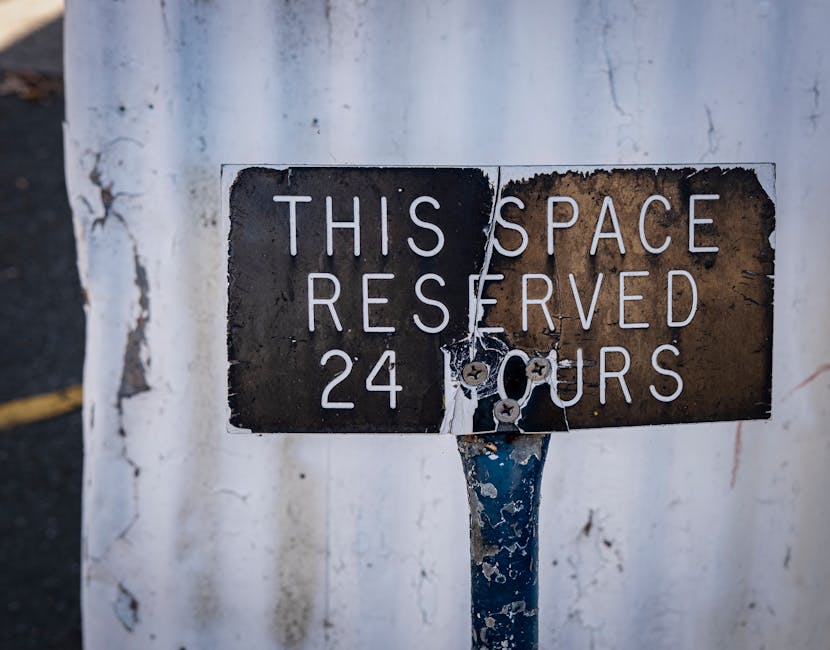
Clapton parking rules and Hackney Council removal permits: a practical guide for stress-free moving days
If you are trying to move in Clapton, the parking side of the day can feel oddly more stressful than the lifting itself. Streets are tight, bays fill quickly, and one small mistake can leave a van circling the block while everyone gets grumpier by the minute. That is exactly why understanding Clapton parking rules and Hackney Council removal permits matters before the boxes come out. In this guide, we will walk through what the rules usually mean in practice, how removal permits fit in, and how to avoid the usual parking headaches that can turn a simple move into a long, noisy afternoon.
You will also find a step-by-step approach, common mistakes to avoid, and a few sensible planning tips that make a real difference on the day. Nothing fancy. Just the kind of advice that helps you get through it without losing half your morning to parking drama.
Table of Contents
- Why Clapton parking rules and Hackney Council removal permits Matters
- How Clapton parking rules and Hackney Council removal permits Works
- Key Benefits and Practical Advantages
- Who This Is For and When It Makes Sense
- Step-by-Step Guidance
- Expert Tips for Better Results
- Common Mistakes to Avoid
- Tools, Resources and Recommendations
- Law, Compliance, Standards, or Best Practice
- Options, Methods, or Comparison Table
- Case Study or Real-World Example
- Practical Checklist
- Conclusion
- Frequently Asked Questions
Why Clapton parking rules and Hackney Council removal permits Matters
Clapton is a busy part of Hackney, and busy areas tend to have a simple rule: if you do not plan parking properly, the day will plan it for you. That can mean a van parked too far from the entrance, a blocked driveway complaint, a penalty notice, or in some cases a vehicle being relocated if it is causing an obstruction or parked in the wrong place for too long. Nobody wants that, especially when you have removal men waiting and a sofa that somehow looks bigger than the hallway.
For households and small businesses, parking rules are not just background details. They shape the whole moving schedule. A permit, bay suspension, or other parking arrangement can be the difference between a clean, efficient move and a messy one. Truth be told, people often only notice this after the first failed attempt to stop outside the property. By then, the clock is ticking and stress levels are up.
There is also the confidence factor. If you know what type of restriction applies, what sort of permit or permission might be needed, and what your removal team should check in advance, you can make sensible decisions rather than rushed guesses. That matters whether you are moving a flat off a side street, unloading furniture from a terraced house, or coordinating a larger move where access is already tight.
Key takeaway: the earlier you deal with parking arrangements, the more likely your move will stay on schedule, avoid avoidable penalties, and keep the day calm enough to manage properly.
How Clapton parking rules and Hackney Council removal permits Works
Parking rules in Clapton are shaped by the same broad principles that apply across London: different streets have different restrictions, and the exact rules depend on the road, the bay, the time of day, and the type of vehicle involved. Some locations allow limited stopping, while others are controlled by permit bays, pay-and-display zones, loading restrictions, double yellow lines, or resident-only arrangements. On moving day, that mix can be confusing if you have not checked it carefully.
Hackney Council removal permits or parking permissions are typically used to help a removal vehicle access the property legally and safely. Depending on the situation, you may need a form of bay suspension, a dispensation, or another parking arrangement that gives the vehicle a place to stop while loading or unloading. The exact process can vary by street and by the size of the vehicle, so it is always wise to treat the parking check as part of the move itself, not a separate admin task that can be left for later.
A practical way to think about it is this: the move has two sides. One side is the physical work of lifting and transporting. The other side is legal and logistical access. If the access side is weak, the whole thing slows down. A good mover knows this instinctively. They will ask about street width, nearby restrictions, and whether the van can stop close enough to the door without causing an issue.
In real terms, this often involves a few simple questions:
- Can the van stop where it needs to stop?
- Is the road restricted at the time of the move?
- Do you need permission for loading, unloading, or a suspended bay?
- Is there enough space for doors, ramps, and safe carrying?
- Could nearby traffic or cyclists make the stop unsafe if the vehicle is parked awkwardly?
Those are not academic questions. They are the ones that decide whether the move starts smoothly or becomes one of those days where everyone keeps checking the time and muttering under their breath.
Key Benefits and Practical Advantages
Getting the parking side right brings benefits that are easy to underestimate before the move starts. The biggest one is time. If a removal van can stop close to the property, loading and unloading tend to be far more efficient. Heavy items such as wardrobes, white goods, and book boxes are less risky when they do not need to travel a long distance up and down the pavement.
There is also a safety angle. Fewer awkward carries usually means fewer slips, bumps, and strained backs. That matters in tight Clapton streets where kerbs, narrow entrances, and passing traffic all add pressure. If the van has to sit further away than expected, every extra metre becomes another small risk.
Another benefit is peace of mind. Let's face it, moving day already brings enough uncertainty. If the parking plan is sorted, you can focus on the things that really need your attention: keys, utilities, fragile items, pets, and the usual pile of last-minute bits that always appear from nowhere.
Here are the practical upsides in plain English:
- Less delay: no wasted time hunting for a space or moving the van halfway through the job.
- Lower risk: fewer chances of fines, complaints, or enforcement action.
- Better access: shorter carrying distances and a cleaner workflow.
- Reduced fatigue: your removals team works more efficiently when access is easy.
- Less neighbour friction: a planned stop is usually better than an improvised one.
There is another quiet advantage too: credibility. If you arrive with the parking arrangements already considered, everything feels more professional. That may sound small, but on a crowded street with pedestrians, deliveries, and the odd impatient driver beeping from behind, professionalism matters.
Who This Is For and When It Makes Sense
This topic is most relevant if you are moving home, moving a tenant in or out, clearing a property, or coordinating a business relocation in Clapton. It is also relevant if you are arranging a furniture delivery, collecting bulky items, or bringing in trades that require a van to sit nearby for a set period. In short: if a vehicle needs to stop near a restricted street, you should think about parking rules before the day arrives.
It makes particular sense for:
- flat moves on narrow residential roads
- properties with permit bays or controlled parking nearby
- larger removals that need more time at the kerb
- timed collections or deliveries
- tenants moving under a fixed handover window
- anyone using a van larger than a standard car
You may not need a formal arrangement in every case. Sometimes a move can be done within the normal loading rules for the street, especially if the stop is short and the vehicle is allowed to pause there. But guessing is risky. In practice, the people who avoid problems are usually the ones who checked first and assumed less.
If you are a landlord or managing agent, this becomes even more important. One delayed van can ripple through the rest of the schedule. One blocked bay can upset residents. One misunderstanding can turn a tidy handover into a slightly embarrassing phone call. Not the end of the world, but definitely avoidable.
Step-by-Step Guidance
Below is a practical way to approach Clapton parking rules and Hackney Council removal permits without overcomplicating it. Think of it as a moving-day checklist in motion.
- Check the street restrictions early. Look at the road outside the property and the nearest surrounding streets. Identify whether parking is permit-controlled, yellow-lined, pay-and-display, loading-only, or otherwise restricted.
- Work out the size and timing of the vehicle. A small van may be easier to place than a large removal lorry, but both still need legal access. The size matters because longer vehicles often need more space to manoeuvre safely.
- Decide whether an official arrangement is needed. If the vehicle must stop in a controlled bay or near a restricted area for loading or unloading, check whether you need a parking permission, dispensation, or bay suspension.
- Build the parking plan into the moving schedule. Do not leave it as a last-minute task. A good timetable leaves room for a slow street, a missing key, or the inevitable box that is heavier than everyone expected.
- Tell the removals team what the street is like. Mention narrow access, low kerbs, traffic pressure, or any awkward turns. The more they know, the better they can plan vehicle positioning and loading order.
- Prepare the property for quick loading. Keep items close to the exit, clear hallways, and make sure the route is safe. If the van has limited stopping time, every minute counts.
- Keep proof and reference details handy. If permission has been arranged, have the relevant details accessible on the day in case they are needed quickly.
- Check conditions again on the morning of the move. Roadworks, temporary suspensions, or local disruptions can change what seemed fine the day before. It happens more often than people expect.
A small but useful habit: take a slow walk outside the property the evening before. Listen for traffic, look for signs, and notice how many cars are parked already. That five-minute walk can reveal a lot. It is boring, yes, but so is paying for a parking mistake.
Expert Tips for Better Results
In our experience, the best moving days are the ones where the parking plan is built around the street, not forced onto it. That sounds obvious, but people still try to do things the other way around. A little flexibility goes a long way.
Here are the tips that genuinely help:
- Think about access, not just parking. A legal space is useful, but it also needs to be practical for lifting, opening doors, and carrying furniture safely.
- Keep the loading route short. If the van cannot stop directly outside, pick the nearest workable point and reduce the carry distance as much as possible.
- Avoid optimistic timing. Traffic, school runs, and neighbours returning home can all make a short stop feel longer than planned.
- Use labels on boxes. This saves time when items need to be moved quickly from property to van. Small thing, big payoff.
- Protect the footpath and entrance. Mats, blankets, and clear instructions help keep the move tidy and reduce the risk of complaints.
- Ask about the vehicle in advance. Some streets are fine for a compact van but awkward for anything larger. Better to know early than discover it while reversing for the third time.
One practical insight people miss: parking pressure is often worst not because of the legal restriction alone, but because of how it interacts with neighbours, cyclists, pedestrians, and delivery drivers. That is why the same bay can feel easy at 9:00 a.m. and awkward by lunchtime. The street changes through the day. So should your plan.
Common Mistakes to Avoid
Most parking problems on moving day come from a surprisingly small set of mistakes. The good news? They are usually avoidable with a bit of care.
- Leaving permission until the last minute. This is the big one. If the parking needs checking, check it early.
- Assuming one road is the same as the next. In Clapton, two nearby streets can have very different rules. Very different.
- Ignoring vehicle length. A space that suits a car may not suit a removal van, especially when doors need room to open.
- Not telling the movers about loading limits. If they think they can park at the front but actually cannot, the whole day gets messy.
- Forgetting about temporary changes. Roadworks, event restrictions, and suspended bays can alter the plan at short notice.
- Blocking access for pedestrians or neighbours. Even if the van is only there briefly, a bad stop can trigger complaints or enforcement attention.
There is also the classic mistake of assuming you can "sort it when you get there." Sometimes that works. Often it does not. To be fair, moving days are already noisy and messy enough without adding a parking gamble into the mix.
Tools, Resources and Recommendations
You do not need a complicated toolkit to handle this properly. What you need is clarity, a bit of preparation, and the right paperwork or contact details close to hand.
Useful things to have ready include:
- the full address and postcode of the property
- the preferred moving date and time window
- details of the vehicle size or van type
- notes on whether the move is in, out, or both
- a quick street description, especially if access is tight
- contact details for the person who will be on site
If you are hiring a removals company, it is worth checking how they handle parking planning, loading access, and arrival coordination. A good operator will ask sensible questions rather than making assumptions. You can learn a lot from those first few minutes on the phone.
For broader trust and service reassurance, it can also help to look through pages such as about the company, pricing and quotes, and insurance and safety. If you want to understand how bookings, payments, and service conditions are handled, the pages on payment and security and terms and conditions are worth a look too. And if you need to speak with someone directly, the contact page is the right place to start.
Law, Compliance, Standards, or Best Practice
Parking and removal access in London sit within a framework of local road rules, traffic management controls, and safety expectations. That means you should treat any permission, restriction, or loading arrangement as something to be handled carefully rather than informally. Councils can enforce parking rules, and vehicles that stop in the wrong place or ignore the conditions of a street can create real problems quickly.
The safest approach is to assume that loading and unloading need to be planned like any other regulated activity: check the restrictions, confirm the conditions, and keep the move within those limits. If a bay suspension or permit is needed, make sure the arrangement actually covers the right vehicle, time period, and location. Small errors here can be costly.
Best practice also means thinking about public safety. Removal work should not obstruct pavements unnecessarily, create hazards for passers-by, or force unsafe lifting from a poor position. If the street is busy, a few extra minutes of positioning can prevent a lot of awkwardness later.
Another sensible point: if you are unsure whether a stop is lawful or whether a formal parking arrangement is required, do not rely on guesswork. Confirm it before the move. That is not being overcautious. That is just good planning.
Options, Methods, or Comparison Table
There are usually a few ways to manage access for a move, and the right choice depends on the street, the vehicle, and how long the van needs to stay. Here is a simple comparison to help you think it through.
| Option | Best for | Pros | Watch-outs |
|---|---|---|---|
| Short legal loading stop | Quick collections or small moves | Simple, fast, low admin | Only works if the street rules genuinely allow it |
| Parking permission or dispensation | Controlled streets and longer loading periods | More certainty and easier planning | Needs advance organisation and accurate details |
| Bay suspension or reserved access | Properties with limited roadside space | Protects a loading area and reduces disruption | May require more notice and careful timing |
| Off-street loading point nearby | When the immediate street is too tight | Can reduce conflict with traffic and neighbours | Often means a longer carrying distance |
There is no single best option for every Clapton move. A narrow terrace, a corner property, and a first-floor flat all behave differently on moving day. The useful question is not "what is easiest in theory?" but "what is safest and most realistic here?"
Case Study or Real-World Example
Imagine a two-bedroom flat move on a Clapton side street on a Friday morning. The property is in a controlled parking area, the pavement is busy, and the nearest unrestricted space is several doors away. The family has boxes packed, but the van cannot sit directly outside without a proper arrangement.
Without a parking plan, the driver would likely spend time circling, waiting, and trying to squeeze into whatever space appears first. That would slow the move and push carrying distance further than it should be. Not ideal when you have a fridge, a mattress, and six awkwardly labelled boxes marked "misc."
With a better plan, the team checks the street restrictions in advance, confirms whether a formal parking arrangement is needed, and prepares the loading route before arrival. On the day, the van stops at the agreed point, the crew works in a straight line from flat to van, and the move is completed without unnecessary delay. The family still feels tired at the end, of course. Moving is moving. But the stressful part is smaller.
That is the real value here: not making the move glamorous, just making it manageable.
Practical Checklist
Use this checklist before moving day. It is simple, but that is the point.
- Confirm the exact address and postcode.
- Check whether the street has permit-only, loading, yellow line, or pay-and-display restrictions.
- Work out the size of the vehicle that will attend.
- Decide whether a parking permission, dispensation, or bay suspension is needed.
- Check the timing window for the move and allow a buffer.
- Share access details with the removals team in advance.
- Clear the route from the property to the kerb.
- Keep important documents, keys, and contact numbers ready.
- Review any safety or service notes before the team arrives.
- Have a backup plan if the street is unexpectedly busier than expected.
If you want to make the whole process feel more straightforward, it also helps to understand the company support behind the move. The pages on health and safety, recycling and sustainability, and complaints procedure can give useful reassurance about how the service is handled and what happens if something needs attention later.
Get a free quote today and see how much you can save.
Conclusion
Clapton parking rules and Hackney Council removal permits may not be the most exciting part of moving, but they are often the part that saves the most time, money, and frustration. If you get the parking side right, the rest of the day usually feels more ordinary in the best possible way: calmer, quicker, and far less chaotic.
The main lesson is simple. Check the street, confirm the access, plan the stop, and do not leave it to luck. That one bit of discipline can make a big difference, especially in a busy London neighbourhood where space is tight and small mistakes have a habit of becoming expensive ones. Take the pressure off early, and the rest tends to follow.
And honestly, on moving day, a little calm goes a very long way.
Frequently Asked Questions
Do I always need a permit for a removals van in Clapton?
Not always. It depends on the street, the parking controls in place, the size of the vehicle, and how long the van needs to stop. Some loading stops may be allowed without a formal permit, but you should never assume that a controlled street allows the same access as an unrestricted one.
What is the difference between a removal permit and a parking permit?
A parking permit usually relates to general parking rights for residents or visitors, while a removal permit or parking arrangement is often used to support loading and unloading for a move. The exact wording and process can vary, so it is best to check what is actually needed for your street and your type of move.
How far in advance should I sort parking for a move?
As early as possible. If your street is controlled or likely to be busy, do the parking check well before moving day. Last-minute planning is where problems start, and in our experience those are the moves people remember for the wrong reasons.
Can a van stop on double yellow lines while loading?
Sometimes loading or unloading may be allowed in limited circumstances, but it depends on the local restrictions and the specific conditions on that street. You should verify the rules rather than assume that loading automatically makes the stop acceptable.
What happens if the van cannot park outside my property?
The move can still happen, but it may take longer and involve more carrying distance. That increases the need for planning, because awkward access can affect speed, safety, and the overall cost of the job.
Do removal companies usually help with parking arrangements?
Good removal companies often ask questions about access and may help guide you on what information is needed. Some also work within parking restrictions every day and know how to plan around them. It is worth checking this before booking.
Are bay suspensions useful for home moves?
They can be, especially where the street is tight and the van needs a clear, safe place to stop. Whether one is appropriate depends on the road layout, the timing, and the local rules that apply to the bay in question.
What if there are roadworks or a temporary restriction on the day?
Then the plan may need to change. Temporary restrictions can affect access, so it is sensible to review the street again shortly before the move. A quick check can save a lot of hassle later.
Is it worth paying for a properly planned parking solution?
Usually, yes, if the street is restricted or the move is complicated. The cost of a missed stop, a fine, or delayed loading can easily outweigh the effort of planning properly. It is one of those things where prevention really is better than scrambling.
What should I tell the removals team before they arrive?
Give them the address, the type of street, the likely parking restrictions, the vehicle size, and any access issues such as narrow entrances or awkward corners. The more accurate the information, the smoother the day tends to be.
Can I handle Clapton parking rules and Hackney Council removal permits myself?
Yes, many people do. The key is to be organised and to check the street conditions carefully. If the move is complex, though, it can be reassuring to work with a removals team that already understands local access issues and can help you plan them properly.
Where can I find more information about service and booking details?
You can review the company's pricing and quotes, read the terms and conditions, or use the contact page if you want to ask a specific question before booking.