Commercial Moves in Clapton
If you are planning commercial moves in Clapton, you probably already know that moving a business is very different from moving a home. Office desks, filing systems, IT equipment, stock, retail fixtures, workshop tools, and sensitive documents all need a careful, organised approach. Add in busy local roads, mixed-use buildings, shared entrances, loading restrictions, and the need to keep disruption low for staff and customers, and it becomes clear why a specialist local moving service matters.
Clapton is a working part of East London with a wide mix of business premises. You will find small offices, studios, salons, cafés, shops, consultancies, creative spaces, trades businesses, and professional services operating from converted buildings, modern units, and high-street locations. Each one has different moving needs. A good move is not just about transporting items from A to B; it is about making sure the business can carry on with as little downtime as possible.
Whether you are relocating across Clapton, moving into the area from nearby neighbourhoods, or simply shifting part of your operation to a new unit, the right planning makes a real difference. This page explains what is included, how the process works, the practical issues that often come up locally, and what to consider before booking. If you need help with a business relocation, request a free quote or book your service now.
Why Businesses in Clapton Need a Practical Moving Plan

Commercial removals are rarely straightforward. A retail shop may need shelving removed and reinstalled. An office might have computer equipment, printers, and confidential paperwork that must be handled with care. A café or restaurant could need tables, refrigeration units, stock, and front-of-house items moved in a specific order. In Clapton, where many businesses operate from compact or shared spaces, moving without a clear plan can quickly lead to delays and extra stress.
The most successful moves start with a realistic assessment of the premises, the access route, and the amount of time available. Some properties in Clapton are located on busy streets with limited stopping space. Others may be in converted Victorian buildings with stairs, narrow doorways, or tight corridors. If you are moving from a ground-floor unit, there may still be issues with parking, building access, and safe loading. A local team understands these realities and can plan around them.
For many business owners, the biggest concern is downtime. Every hour spent waiting for furniture to be moved or equipment to be reassembled can affect trading, productivity, and customer service. That is why commercial moving services in Clapton are often arranged for evenings, weekends, or carefully planned off-peak periods. A well-organised move helps you reopen, restart, or resume work with minimal interruption.
What Our Commercial Moving Service Covers

Every business move is different, so the service should be flexible enough to suit your exact needs. A typical commercial moving service in Clapton may include everything from a small office relocation to a larger multi-room business move. The aim is to make the process structured, safe, and efficient, while protecting your equipment and helping your team stay focused on business priorities.
Common items handled during commercial moves include desks, chairs, filing cabinets, meeting tables, shelving, archive boxes, stock, display units, office technology, small appliances, and specialist work items. Depending on the nature of your business, there may also be fragile items, awkward fixtures, or equipment that needs careful dismantling before it can be carried out.
Typical commercial moving support may include:
- Pre-move planning and move-day scheduling
- Packing support for office or retail items
- Dismantling and reassembly of furniture where needed
- Safe handling of IT equipment and office electronics
- Transport of stock, documents, fixtures, and general business contents
- Loading and unloading assistance
- Placement of items in the correct rooms or work areas at the new premises
Some businesses only need help moving selected items, while others need a full relocation service. If you are unsure what level of support is right for your business, it is often best to discuss the scope early so the move can be planned around your priorities.
Local Knowledge Matters for Moves in Clapton

Clapton has its own set of moving challenges, and local knowledge can save time on the day. Commercial properties may be found near main routes, side streets, estates, or mixed residential and business zones. Some roads can be busy at certain times, while parking can be limited or shared with residents. For a business move, those details affect everything from vehicle access to the safest time to load and unload.
If your premises are near Clapton Common, Lower Clapton Road, the Lea Bridge area, or close to the routes that connect to Hackney Central, Homerton, Stoke Newington, or Dalston, you may need to think carefully about access. Shops and offices in older buildings can also have narrow staircases or awkward entrance points that make careful handling essential. A local team used to working in the area can plan for these practical issues before moving day arrives.
This local understanding is especially useful for businesses based in converted houses, studio spaces, small retail units, and upper-floor offices. These types of premises often have a mix of residential-style access and commercial requirements. Knowing how to work around common Clapton property layouts can help reduce delays, protect your belongings, and keep the move more organised.
How Commercial Moves in Clapton Usually Work

A smooth relocation begins well before moving day. The first step is usually to understand what needs to be moved, where it is going, and how much preparation is required. From there, a plan can be created that fits your business schedule and the layout of both properties.
A simple move process often looks like this:
- Initial discussion – You explain the type of business, the amount of contents involved, and any special requirements.
- Site review or move assessment – Access, parking, stairs, lifts, loading points, and timing are considered.
- Move planning – Items are organised by priority so essential equipment can be unpacked first.
- Packing and preparation – Boxes, labels, dismantling, and protective wrapping may be arranged if needed.
- Move day – Items are collected, loaded safely, transported, and placed in the correct areas at the new premises.
- Set-up support – Desks, furniture, and other items are positioned to help you restart work quickly.
For some businesses, a phased move works better than moving everything at once. This is often the case for shared offices, active retail spaces, or organisations that need to continue operating during the transition. If you have a deadline, a handover date, or a limited window for access, it is important to mention this early so the move can be tailored accordingly.
Commercial Customers We Commonly Help
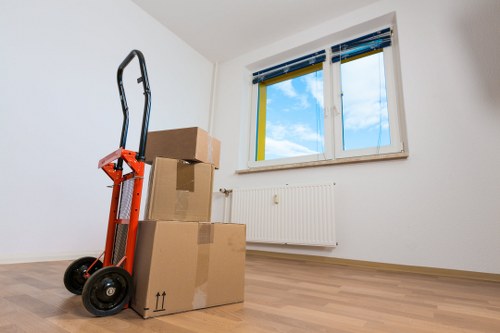
Commercial moving needs vary widely across Clapton. The businesses below often need professional help because they have limited time, specialised items, or spaces that are not easy to move without support. The right service should adapt to the type of business rather than forcing a one-size-fits-all approach.
Examples of local commercial customers include:
- Small and medium offices
- Creative studios and design spaces
- Retail shops and showrooms
- Cafés, takeaways, and hospitality venues
- Clinics and professional practices
- Workshops and trade businesses
- Community organisations and shared workspaces
- Online sellers storing stock or packaging materials
Each of these business types has different priorities. An office may focus on fast reinstatement of desks and IT. A shop may need display units moved with care. A workshop may want tools and equipment sorted by function. A hospitality business may need support with stock, tables, and front-of-house items while keeping downtime to a minimum.
Commercial moves in Clapton are often easier when the mover understands how to handle a variety of business settings and can adapt to your space rather than relying on a generic checklist.
Benefits of Choosing a Local Clapton Team
Choosing a local moving company for your business relocation offers practical advantages. A nearby team is generally more familiar with local access conditions, route planning, and the challenges of working around busy East London streets. That can make the moving day feel more controlled and reduce unnecessary waiting time.
Local service also tends to be more flexible. If your schedule changes, your landlord needs a precise move-out window, or your building has special access instructions, it helps to work with a team that already understands the area. This is particularly useful for businesses in Clapton that operate in mixed-use buildings or rely on precise timings for deliveries and handovers.
Why many local customers prefer a Clapton-based service:
- Better understanding of local roads, parking, and access limitations
- More suitable timing for busy streets and loading periods
- Experience with residential-commercial mixed properties
- More practical planning for short-notice changes
- Clearer communication about the realities of the move
When your business depends on efficiency, these details matter. A move is easier to manage when the team handling it knows how local conditions can affect timing, loading, and safe transport.
What to Prepare Before Your Business Move
Simple steps that make the day easier
Good preparation helps prevent delays and keeps the move structured. You do not need to do everything yourself, but a little planning before moving day can make a big difference to how smoothly the relocation runs. This is especially important if you are moving from a compact office, a shared unit, or a space with limited access.
Start by deciding what is moving, what is being discarded, and what can stay until a later date. Group similar items together and label boxes clearly by room or department. If possible, identify essential items that need to be unpacked first at the new location, such as computers, payment equipment, client files, or core stock.
Helpful preparation checklist:
- Back up digital data before moving IT equipment
- Remove personal belongings and clearly separate them from business items
- Label boxes by department, room, or priority
- Empty drawers and secure loose items
- Check access details for both premises
- Reserve any building permits or loading permissions if required
- Tell staff what should be packed, what should stay, and what will be needed first
- Keep essential documents and valuables under direct control
It is also worth planning for the end of the old tenancy and the start of work at the new premises. If floors need protecting, walls need clearing, or equipment needs disconnecting before the move, make sure those tasks are included in the overall plan.
Practical tip for busy businesses
Try to prepare one area at a time rather than packing everything in a rush at the end. That approach is often less stressful and reduces the risk of items being misplaced.
How to Protect Office Equipment, Stock, and Furniture
Commercial contents can be valuable, fragile, or difficult to replace quickly. Computer monitors, printers, phones, stock items, and specialist tools all need appropriate packing and handling. Even basic office furniture can be awkward to lift through stairwells or tight doorframes, so using the right methods matters.
For electronics, careful wrapping and safe packing are important. Cables should be kept with the items they belong to where possible, and devices should be handled to reduce the risk of knocks or pressure damage. For retail stock, box strength and stacking methods matter, especially if items are delicate or boxed in quantity. For furniture, dismantling may be needed before moving larger items through narrow access points.
Useful protection measures include:
- Bubble wrap, padded covers, and strong cartons for fragile items
- Labels for cables, peripherals, and equipment sets
- Blankets or wraps for desks, cabinets, and shelving
- Separate packing for confidential files and sensitive materials
- Careful stacking so boxes do not crush lighter items
If your business uses specialist equipment or delicate stock, discuss those details early. That way, the moving plan can include the right handling approach from the start rather than trying to adjust at the last minute.
Pricing Factors for Commercial Relocations
What can affect the cost of a business move?
Every business move is different, so pricing usually depends on a range of practical factors rather than a flat one-size-fits-all fee. Knowing what affects the quote can help you plan ahead and compare options more confidently.
Common pricing factors include:
- The volume and type of items being moved
- The distance between the old and new premises
- Access challenges such as stairs, narrow entrances, or restricted parking
- Whether dismantling and reassembly is needed
- The level of packing support required
- Move timing, including evenings or weekends if needed
- Special handling for fragile, heavy, or sensitive items
- Any need for staged moves or multiple loading trips
In Clapton, access issues can play a major role in planning. A move from a top-floor office, a back-of-shop storage room, or a unit with limited street parking may take longer than a similar move in a more open location. That does not mean the move is difficult; it simply means the plan must reflect the real conditions on site.
If you want the most accurate estimate, it helps to share details as clearly as possible. Photos, an item list, floor information, and access notes can all make the quote process easier and more useful.
What Makes a Move Less Disruptive for Staff and Customers
One of the main goals in any business relocation is keeping disruption manageable. Staff still need to work, customers still need to be served, and deadlines often continue during the move. That is why good planning is so important.
For offices, the move may be arranged around team availability so essential departments are not all offline at the same time. For shops and cafés, the relocation might be staged so the business can continue trading for as long as possible. For service-based companies, the focus is often on protecting records, equipment, and appointment schedules while the physical move takes place.
Ways to reduce disruption:
- Move non-essential items first
- Schedule the relocation for quieter trading periods
- Prepare a clear unpacking priority list
- Inform staff in advance about what they need to pack
- Keep a separate set of essential items accessible for the first day
With the right approach, a commercial relocation does not need to take over your whole week. Instead, it can be managed as a structured project that supports a timely return to normal work.
Areas Covered Around Clapton
Businesses in and around Clapton often need moving support across a wider East London patch, especially when the move involves nearby commercial hubs or properties just outside the immediate area. Local customers commonly come from or move between places such as Upper and Lower Clapton, Hackney, Homerton, Stoke Newington, Dalston, Lea Bridge, and parts of the broader E5 and surrounding neighbourhoods.
It is also common for businesses to relocate between Clapton and nearby trading areas where rents, unit sizes, or footfall may suit their next stage of growth. Some customers are moving into the area for the first time, while others are moving within the local area because they are expanding, downsizing, or changing the style of their business premises.
Nearby areas that often share similar moving needs:
- Hackney Central
- Homerton
- Dalston
- Stoke Newington
- Lea Bridge
- London Fields
- Walthamstow borders
If your move involves more than one local stop, or you are transferring stock or equipment between branches, a flexible commercial moving service can help you organise the route and the order of tasks more efficiently.
Frequently Asked Questions
Real questions local customers often ask
Do I need to pack everything myself?
Not always. Some customers pack everything in advance, while others want help with selected items, fragile equipment, or a full packing service for the business contents. The right approach depends on time, staff availability, and the type of items being moved.
Can you help with office furniture dismantling?
Many commercial moves involve dismantling desks, shelving, or larger furniture before transport. This can make loading safer and help items fit through tighter access points. Reassembly can often be arranged at the new location if required.
What if my building has limited parking?
That is very common in Clapton. Limited parking or difficult loading access should be discussed early so the move can be scheduled around those conditions. A local team can plan for short stopping times, narrow streets, or shared access routes.
How far in advance should I book?
As soon as possible is usually best, especially if you need a specific date, weekend moving window, or support during a busy trading period. Early booking gives more time to plan the move properly.
Can you move stock as well as office equipment?
Yes, many commercial relocations involve a mix of stock, furniture, documents, and equipment. The move can be organised around whatever your business needs to relocate.
What should I do with confidential files?
Keep confidential files secure and separate, and make sure they are clearly identified. If you handle sensitive records, tell the moving team in advance so these items can be treated appropriately.
Will my business need to close for the whole day?
Not necessarily. Some businesses choose a phased move or an out-of-hours schedule to reduce disruption. The exact timing depends on the size of the move and the way your business operates.
Choosing the Right Support for Your Business Move
When comparing options for a business relocation, think about more than just transport. You want a service that understands the pressures of commercial work, can handle your items safely, and knows how to work in a busy local area like Clapton. A carefully planned move helps protect equipment, reduce downtime, and make the transition feel manageable.
Look for a team that asks useful questions about access, timing, item types, and building layout. Those questions are a good sign that the service is being tailored to your needs rather than treated as a standard van job. For local businesses, that attention to detail often matters just as much as the move itself.
Whether you are moving a small office, a retail unit, a studio, or a larger workplace, the goal is the same: a clean, organised relocation that allows you to get back to business quickly. If you are ready to plan your next step, contact us today to request a free quote and discuss your commercial move in Clapton.
Ready to make the move?
Book your service now if you want a practical, local approach to relocating your business with less stress and better organisation.
Final Thoughts on Commercial Moves in Clapton
Relocating a business is always a big task, but it becomes much easier when the move is planned around the realities of your premises, your working schedule, and the local area. In Clapton, that means thinking about access, parking, building type, loading space, and the kinds of commercial properties that make up the neighbourhood.
With the right support, your business move can be structured, efficient, and far less disruptive than many people expect. Whether you are moving within Clapton, coming into the area, or heading to a nearby East London location, a local commercial removals service can help you organise the process from start to finish.
If you are planning commercial moves in Clapton, take the time to prepare properly and choose a team that understands local conditions. That is the simplest way to protect your business, your equipment, and your schedule.