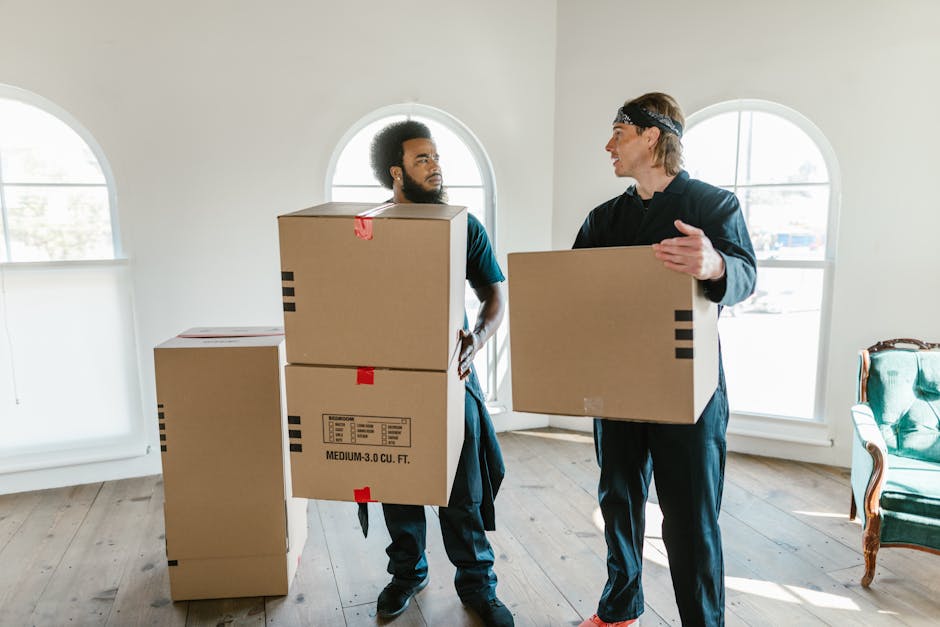
Clapton Station removals moving day guide for easy moves

If you are planning a move near Clapton Station, the day itself can feel oddly bigger than the whole packing process. Boxes stack up, the kettle disappears, the hallway gets busy, and suddenly every minute matters. This Clapton Station removals moving day guide for easy moves is here to take the edge off that chaos with practical, local advice you can actually use. Whether you are moving from a flat, a family home, a student room, or a small office, the aim is the same: keep things organised, reduce stress, and avoid the classic moving-day scramble.
Clapton is a lively part of East London, and that brings its own moving-day quirks: tighter streets, busier parking, shared entrances, and the usual London balancing act of timing, loading, and not blocking everyone else in the street. The good news? A smooth move is mostly about preparation, sensible sequencing, and choosing the right support. Let's get into it.
Why Clapton Station removals moving day guide for easy moves Matters
Moving day is where all the planning either pays off or gets exposed. That sounds dramatic, but it is true. Around Clapton Station, small things can quickly become big delays: a van arriving too early when keys are not ready, a narrow stairwell that slows loading, or a last-minute search for tape because the box marked "tape" has somehow vanished. Classic, really.
A proper moving day guide matters because it gives the day a rhythm. Instead of reacting to every problem as it appears, you follow a sequence: confirm access, protect fragile items, load in the right order, and keep essentials easy to reach. That helps whether you are using a full removals service or a smaller man and van arrangement.
It also matters for the people involved. If you have family helping, neighbours passing through shared spaces, or a building with limited access, a calm plan keeps everyone happier. No one enjoys a tense staircase shuffle at 8:30 in the morning. Not really.
In practical terms, the guide helps you do three things well:
- protect your belongings from avoidable damage
- save time by reducing back-and-forth decision-making
- keep the move polite, safe, and manageable in a busy local setting
How Clapton Station removals moving day guide for easy moves Works
The guide works by turning a moving day into stages. That is the simplest way to think about it. Rather than seeing the whole move as one long, stressful block, break it into a sequence that starts the night before and ends only when the last box is in the right room.
A typical Clapton Station move follows this flow:
- Pre-arrival prep - confirm timings, access, parking, keys, and who is doing what.
- Final household sweep - pack essentials, disconnect small appliances, empty bins, and check cupboards.
- Loading - move larger furniture first, then boxed items, then delicate or high-priority bags.
- Transport - keep the route and parking simple where possible, especially if you are working near the station or on a busier road.
- Unloading - place furniture in the correct rooms first, then unpack essentials, then deal with the rest later.
That last point is important. You do not need to unpack everything on day one. You really don't. The aim is to make the new place livable, not perfect.
If you are moving out of a flat, using flat removals support can help with stairs, shared entrances, and the kind of tight turn that makes a sofa feel larger than the building itself. For more complex homes, a broader home moves service can be a better fit.
Key Benefits and Practical Advantages
A good moving-day plan does more than keep you sane. It can genuinely improve the outcome of the move.
- Less damage risk: fragile items are packed and loaded in a more sensible order.
- Faster turnaround: when everything is labelled and staged, the team spends less time guessing.
- Lower stress: you are not hunting for keys, cables, or the last mug while the vehicle is waiting outside.
- Better use of hired time: whether you are booking by the hour or for a full-day job, efficiency matters.
- Smoother local logistics: busy streets near Clapton Station benefit from tighter coordination and fewer delays.
There is also a smaller but real advantage: the move feels more under control. That sense of control can be half the battle. When the first cup of tea is made in the new kitchen, and you know where the important boxes are, the whole day changes mood.
For people wanting extra help with wrapping, boxing, and load preparation, packing and boxes and packing and unpacking services are worth considering, especially if time is tight or you are juggling work and family.
Who This Is For and When It Makes Sense
This guide is useful for almost anyone moving near Clapton Station, but some groups will benefit more than others.
Home movers
If you are moving a full household, there are more moving parts: furniture, appliances, children's items, paperwork, and the inevitable "where did we put the charging cables?" moment. A structured moving day is especially helpful for larger household changes, and a service such as house removals or house removalists may be a better match than trying to improvise with a borrowed van.
Flat movers
Clapton has plenty of flats, and flat moves often mean stairs, shared doorways, and limited waiting space. A smaller, well-timed move can work beautifully if your belongings are modest. If not, a more organised removal setup is usually the calmer path.
Students
Student moves often happen quickly, sometimes between term dates or at short notice. If that sounds familiar, student removals can save time and reduce the pressure of fitting a move around exams, work shifts, or travel plans.
Businesses and offices
For commercial users, moving day is about reducing downtime as much as possible. A business needs the right equipment, clear labelling, and careful scheduling. In that case, commercial moves, office removals, or office relocation services may be the smarter option.
People with unusual or bulky items
Not every move is just boxes and chairs. Pianos, for example, need special handling because of their weight, shape, and value. If that is your situation, piano removals is the kind of specialist support that makes sense.
Step-by-Step Guidance
Here is the practical version. The bit you can actually follow without needing a spreadsheet the size of a dining table.
1) Confirm the moving window
Check your start time, property access, and when keys will be ready. If there is any gap between leaving one property and entering the next, plan for it early. A tiny mismatch can create a long, annoying wait.
2) Prepare the route and access points
Think about where the vehicle can park, how far items must be carried, and whether there are lifts, stairs, or narrow hallways. Even a short walk from van to door can add up quickly if the load is heavy.
3) Set aside essentials
Keep a separate bag or box for documents, chargers, medication, snacks, toiletries, keys, and basic cleaning items. This is your first-night survival kit. Don't hide it in the moving mountain.
4) Load in a sensible order
Large, sturdy items usually go first. Fragile boxes and day-one essentials should stay protected and be accessible. If you are using a removal van or moving truck, weight distribution matters too. Heavy items should be secured so they do not shift during transit.
5) Protect the property you are leaving
Remove rubbish, check cupboards, read meter details if needed, and look behind doors, under beds, and inside loft spaces. That final sweep catches more than you might think. One missing shoe is annoying; one missing passport is a whole different level.
6) Direct the unload clearly
At the new place, stand where items can be dropped into the correct rooms. A few clear instructions save a lot of lifting later. If a box says "kitchen," do not let it drift into the spare room because you got distracted by the view. It happens.
7) Unpack the priority items first
Start with beds, kettle, towels, toiletries, and anything for work or school the next day. Once those are sorted, the rest of the unpacking feels less urgent and more human.
Expert Tips for Better Results
These are the little things that tend to separate a tidy move from a messy one.
- Label by room and priority. "Kitchen - daily use" is better than simply "kitchen."
- Use colour coding if you can. It helps helpers spot where things belong without asking every five minutes.
- Keep hardware together. Put screws, brackets, and shelf fittings in sealed bags taped to the furniture they belong to.
- Photograph cable setups. This is one of those boring little tricks that saves a lot of time later.
- Defrost and dry appliances early. Fridges and freezers need a sensible lead time so you are not moving damp, messy kit.
- Measure awkward furniture. The sofa that "definitely fits" is often the sofa that definitely does not.
To be fair, the best advice is often the least glamorous: start earlier than you think you need to. If you believe packing will take one evening, give it two. If you think dismantling a bed will take twenty minutes, maybe budget forty. Life has a way of stretching these things.
If you are comparing moving support options, a general removal services provider may suit most domestic moves, while a smaller man with a van arrangement can work for lighter loads. The right choice depends on access, volume, and how much lifting you want to avoid.
Common Mistakes to Avoid
Most moving-day problems are preventable. The hard part is remembering that at the time.
- Packing too late. Last-minute boxes are usually messy, fragile, and badly labelled.
- Ignoring access issues. Shared hallways, parking restrictions, and staircases matter more than people expect.
- Not keeping essentials separate. If you cannot find your phone charger, kettle, or work laptop, the move starts to feel cursed.
- Overfilling boxes. Heavy boxes are hard to lift and more likely to split.
- Forgetting to protect furniture. Blankets, covers, and wrap reduce damage and scuffs.
- Underestimating timing. The final hour is often slower than the first two.
There is another one people rarely mention: trying to be everywhere at once. You cannot answer a delivery driver, supervise the stairs, and decide where the dining table goes in the same moment. Well, you can try. It will not be elegant.
Tools, Resources and Recommendations
You do not need a mountain of specialist equipment, but a few basics make moving day much easier.
| Tool or resource | Why it helps | Best used for |
|---|---|---|
| Strong boxes | Protects items and stacks neatly in the vehicle | Books, kitchenware, mixed household items |
| Packing tape | Keeps boxes secure during lifting and transit | All boxed items |
| Marker pens and labels | Makes unloading and sorting much faster | Room naming, priority marking |
| Furniture blankets | Reduces scratches and knocks | Tables, wardrobes, white goods |
| Ratchet straps | Stops larger items moving in transit | Vehicle loading |
| Tool kit | Helps with dismantling and reassembly | Beds, shelves, flat-pack furniture |
For people who want a more hands-off experience, support such as removal companies can be useful when the move has more pieces than people, or when there is not much room for error. And if you need a bit more time before the final move, storage can help bridge the gap between properties.
Law, Compliance, Standards, or Best Practice
Moving home or business premises in the UK involves a few practical standards, even when there is no complicated legal issue in sight. The important thing is to approach the day safely and responsibly.
Best practice generally includes:
- using safe lifting methods and avoiding overloaded boxes
- keeping shared access routes clear where possible
- confirming building rules if you live in a managed block
- checking whether permits or parking arrangements are needed for the vehicle
- making sure items are insured appropriately during transport
If you are booking professional help, it is sensible to look at how a company approaches safety, property protection, and customer care. Pages like health and safety policy, insurance and safety, and payment and security can help you understand the basics before you commit.
For more reassurance around service expectations, it can also be helpful to review terms and conditions and the company's about us page so you know who you are dealing with and how they operate. That is just sensible due diligence, nothing fussy about it.
Options, Methods, or Comparison Table
Different moves need different levels of support. Here is a straightforward comparison.
| Option | Best for | Pros | Watch-outs |
|---|---|---|---|
| DIY van hire | Small, simple moves with flexible timing | Low-cost feel, full control | More lifting, more planning, more stress if access is awkward |
| Man with a van | Light to medium household moves | Flexible, practical, usually quicker to organise | May not suit larger homes or bulky specialist items |
| Full removals | Busy household or more complex move | More support, better for heavy lifting and coordination | Needs more planning and a clearer schedule |
| Same day removals | Urgent moves or unexpected timing changes | Fast response, useful in a pinch | Less room for delay or last-minute sorting |
| Furniture removals | Single items or bulky pieces | Better handling for awkward or valuable items | May not cover an entire household move on its own |
The right method depends on volume, access, and how much heavy lifting you want to avoid. If you are moving from a top-floor flat off a busier Clapton street, the extra help is often worth it. Truth be told, your back may thank you more than your budget does.
Case Study or Real-World Example
Imagine a couple moving from a one-bedroom flat near Clapton Station into a slightly larger place a few streets away. They have a sofa, bed, dining table, about thirty boxes, and a small chest freezer that they forgot was heavy until it had to be moved. A classic mixed-bag move.
They start the evening before by labelling boxes by room and priority. They set aside a small essentials bag with chargers, tea bags, toiletries, and bedding. On moving morning, the main furniture is moved first, then the boxed items, then the fragile pieces. One person stays at the new property to direct unloading while the other checks the old flat room by room. No drama, no frantic return trip for the cable box.
What made the difference? Not magic. Just order.
They also chose support that fit the job rather than trying to force a too-small setup. For the larger items and loading help, a suitable removal van option was enough because the move was local and well prepared. If the property had been much larger, they might have needed something closer to a full-service team. That judgment call matters a lot.
Practical Checklist
Use this on the day, or better yet, the night before.
- Keys, documents, phone chargers, and medication are in one easy-to-grab bag
- All boxes are sealed and labelled by room
- Fragile items are wrapped and clearly marked
- Furniture is protected with covers or blankets
- Tools are ready for dismantling and reassembly
- Parking and access have been checked
- The vehicle arrival time is confirmed
- Bins, cupboards, and shelves at the old property are empty
- Windows and doors are closed before leaving
- The new home has cleaning basics, bedding, and kettle access ready
If you are moving for work or between business sites, add IT equipment, backup drives, and any access cards to that list. Those things always seem small until they are missing.
Conclusion
Moving near Clapton Station does not have to be an exhausting all-day scramble. With the right plan, the day becomes a sequence of simple actions: prepare, load, move, unload, settle. That is the whole game, really. Once you stop treating moving day as one giant task and start treating it as a set of manageable steps, everything gets easier.
Whether you are arranging help for a flat, a family home, a student move, or a business relocation, the best results usually come from clear labels, sensible timing, and realistic expectations. Keep the essentials close, protect what matters, and do not leave the final sweep to luck.
Get a free quote today and see how much you can save.
And if the day feels a bit too full, that is normal. Breathe, keep the kettle in sight, and tackle one box at a time.
Frequently Asked Questions
What is the best way to prepare for a Clapton Station move?
The best approach is to pack early, label clearly, confirm access and parking, and keep essentials in a separate bag. That combination saves time and avoids a lot of last-minute panic.
How early should I book moving help near Clapton Station?
As early as you can, especially if you are moving at the end of the month or on a weekend. Good time slots go quickly, and early booking gives you room to sort the details properly.
Do I need a full removals service or just a man and van?
It depends on the size of your move. A smaller flat or lighter move may suit a man and van, while a fuller household usually benefits from a more complete removals service.
What should go in my moving day essentials bag?
Put keys, documents, medication, phone chargers, snacks, toiletries, toilet paper, basic cleaning items, and bedding essentials in it. Keep it with you rather than on the van.
How do I make moving day less stressful?
Start earlier than you think you need to, use clear labels, and give yourself a proper order of operations. Simple, but it works. Also, try not to unpack everything at once.
Is same day removals a good option for urgent moves?
It can be, if you need a fast turnaround and your belongings are already reasonably organised. If the move is large or highly complex, extra planning is still wise.
What happens if my property has awkward stairs or limited access?
That is exactly when advance planning matters. Measure key items, check the access route, and choose a vehicle or service that matches the layout. Flat moves in particular benefit from this.
Can I move furniture and boxes together in one trip?
Often yes, but only if the vehicle space, weight, and loading order make sense. Heavy items should be secured properly so lighter boxes are not crushed or shifted during transit.
Do I need storage if there is a gap between moving dates?
If there is any gap between leaving one place and entering another, storage can be a very useful bridge. It keeps your belongings safe instead of forcing a rushed handover.
What if I need help moving a piano or another specialist item?
Use specialist support rather than trying to improvise. Heavy, valuable, or awkward items need the right handling, and that usually means a tailored service instead of a general lift-and-go approach.
How do I choose a reliable removals provider?
Look for clear information on safety, insurance, payment, and terms. It also helps to check the company's background and service pages so you know how they work before the move begins.
What should I check before the van arrives?
Make sure all boxes are sealed, furniture is ready to move, access is clear, and your essentials are with you. A quick final walk-through of every room saves headaches later.