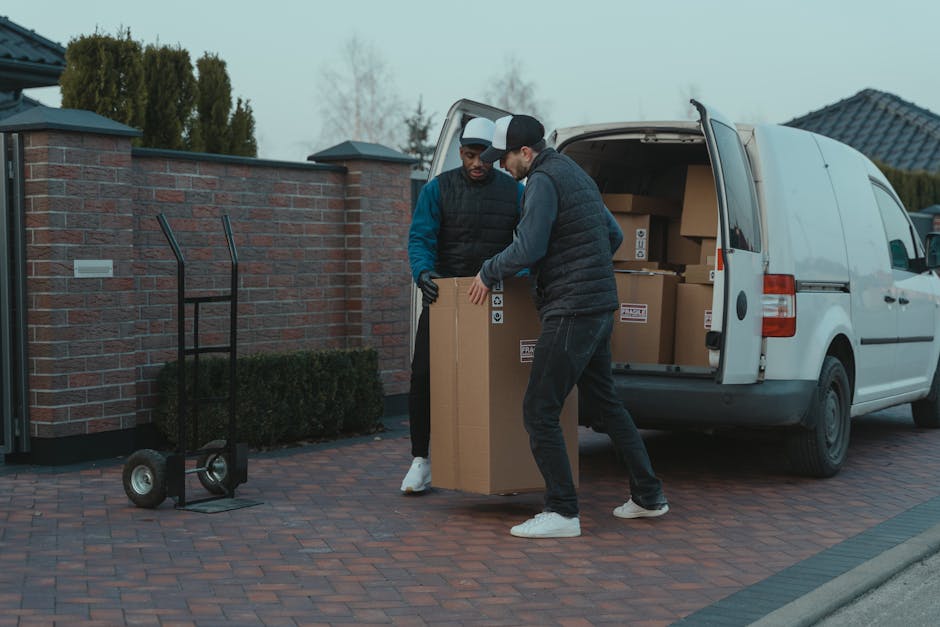
Lower Clapton man and van tips for tight terrace moves

If you are planning a move in Lower Clapton, you probably already know the awkward bit is not the packing. It is the squeezing, lifting, reversing, turning, and trying not to nick a wall on a narrow terrace street at 8am. These Lower Clapton man and van tips for tight terrace moves are built for exactly that reality. The aim here is simple: help you move smarter, waste less time, and avoid the small disasters that turn a straightforward job into a long day.
Terraced streets in this part of East London can be deceptively tricky. A van may fit on paper, but the route from front door to curb, the stair width, the parking position, and the neighbour's half-open gate all matter. That is where good planning, the right vehicle, and a calm approach make the difference. Let's walk through what actually helps.
Why Lower Clapton man and van tips for tight terrace moves Matters
Lower Clapton is one of those places where the housing stock tells the story. Many streets are lined with terraces, split-level flats, compact conversions, side passages, and front gardens that are smaller than they look from the pavement. That is charming right up until move day, when a sofa catches the bannister or a fridge needs three careful pivots before it clears the doorway.
Good moving advice matters here because tight terraces are less forgiving than wider suburban homes. There is usually less room to stage boxes, less room to park, and less margin for error when carrying bulky items. A small mistake can cost time, money, and patience. Honestly, it can all go a bit sideways if you arrive without a plan.
There is also a local rhythm to think about. School runs, commuter traffic, delivery vans, and the usual London stop-start parking situation can make a short job drag on. If you are using a man and van service, the best results often come from treating the move like a mini project rather than a simple lift-and-drive job.
Expert summary: In tight terrace moves, the best saving is usually not the cheapest quote. It is the time, stress, and damage you avoid by planning access, parking, packing, and lifting properly before the van arrives.
How Lower Clapton man and van tips for tight terrace moves Works
A man and van move is usually a flexible, smaller-scale removal service designed for lighter loads, partial moves, student moves, furniture collection, or compact household relocations. In practical terms, you book a driver, a van, and sometimes one or more helpers depending on the job size. The service tends to work best when the move is straightforward and the access is manageable.
For a terrace move in Lower Clapton, the process usually starts with an access check. That sounds boring, but it is the bit that saves the day. A good mover will want to know:
- how many flights of stairs there are
- whether the stairs turn tightly or have low ceilings
- how close the van can park to the door
- whether large items must pass through narrow hallways or communal entrances
- if parking is restricted, paid, or permit-controlled
- what items need dismantling before loading
From there, the move becomes a sequence: park, protect, carry, load, secure, drive, unload. Simple on paper. Less simple when a mattress wants to fold itself in half on a narrow stairwell. That is why the right van size matters, and why packing with access in mind is a real advantage rather than an afterthought.
If you are comparing service options, pages like man and van, removal van, and removal services can help you think through what level of support actually fits the job. Not every move needs a full crew. Some do, and pretending otherwise is how people end up sweating in the hallway at lunch time.
Key Benefits and Practical Advantages
The biggest benefit of the man and van model is flexibility. You can scale the service to fit the move instead of paying for more vehicle and labour than you really need. For tight terrace jobs, that flexibility is especially handy because the move may be physically small but operationally fiddly.
- Better fit for compact loads: Ideal for flats, one-bed homes, or a partial household move.
- More control over timing: Useful when you need a short notice slot or a same-day option.
- Easier access management: A smaller van can sometimes squeeze into streets that a larger lorry would hate.
- Potentially lower cost: Especially when compared with a full removals package.
- Less wasted effort: If you pack tightly and label properly, the loading process becomes much cleaner.
There is another quiet advantage people miss: confidence. When the scale of the move matches the scale of the service, you tend to feel less overwhelmed. You are not trying to orchestrate a grand operation for three wardrobes and a bike. You are just getting the job done, neatly.
For furniture-only jobs, it can also make sense to look at related services such as furniture removals or furniture pick up, especially if the item is bulky but the rest of the move is light.
Who This Is For and When It Makes Sense
This approach suits anyone moving within or around Lower Clapton where access is tight and the load is moderate. That includes renters leaving a first-floor flat, homeowners shifting a small household, people collecting a sofa from a seller, and students moving between shared accommodation. It also works well if you only need a few items transported rather than a whole property emptied.
It makes sense when:
- your property has narrow stairs or a narrow hallway
- parking is limited and you need a quick load/unload cycle
- you have furniture that can be dismantled and rebuilt
- you want help carrying without booking a full removals team
- you are moving on a budget but still want a professional setup
It may not be the best fit if you have a large family home, lots of fragile antiques, or heavy specialist items that need extra handling. In those cases, a more fully resourced move may be a better choice. No shame in that. Being realistic is half the battle.
If you are unsure, comparing a few service types can help. A quick look at home moves, flat removals, and student removals can give you a better sense of scale before you commit.
Step-by-Step Guidance
Here is the practical version, the one that actually helps on moving day.
- Measure the awkward bits first. Doorways, stair turns, landings, and any hallway pinch points matter more than the total floor size. A tape measure and five minutes can save a lot of guesswork.
- List the bulky items. Sofas, wardrobes, mattresses, fridge-freezers, beds, mirrors, and desks should be called out early. These dictate van size and loading order.
- Check parking realistically. In a tight terrace street, the difference between "near the door" and "around the corner" can add meaningful time. If parking is restricted, make a plan early.
- Declutter before packing. Move day is not the best time to decide whether you still need that box of spare cables from 2017. Be ruthless. A bit ruthless.
- Pack by room and priority. Keep kitchen, bedroom, and essentials separated. Mark anything fragile. You will thank yourself when you are half-tired and trying to find the kettle.
- Dismantle what you can. Beds, table legs, shelving, and some wardrobes travel better in pieces. Keep fittings together in clearly labelled bags.
- Protect floors and door edges. Blankets, wraps, and corner protection can reduce scuffs where terraces often have narrow entry points and older finishes.
- Load in the right order. Put the heaviest, sturdiest items in first and secure them properly. Fragile items should not be rattling around on top of loose boxes.
- Keep an essentials bag separate. Documents, chargers, snacks, toiletries, medicines, and a change of clothes should not disappear into the back of the van.
- Walk the final route. If possible, check the path from van to door one last time. A wheelie bin, parked scooter, or low wall can become annoying in a hurry.
That last step sounds small, but it is often the one that keeps the job smooth. The route matters. The route always matters.
Expert Tips for Better Results
In our experience, the best terrace moves are the ones where the awkward bits are dealt with before anyone arrives. The van is not the place to discover that the wardrobe won't fit through the landing. Too late then.
Think in terms of movement, not just load size
A move can look tiny on the inventory and still be hard if the access is poor. One large sofa in a narrow stairwell can take more effort than a dozen small boxes. So ask yourself: how will each item actually travel from room to van?
Use smaller, tougher packing units
For tight terraces, medium boxes are often more useful than overfilled big ones. They stack better, are easier to carry down stairs, and are less likely to split when someone turns sharply on a landing. It is one of those boring little truths that saves your back.
Reserve the easiest path for the heaviest item
If you can choose when to move the sofa, fridge, or wardrobe, move it when the route is clearest and the team is fresh. Don't leave the big lift until the end of a long afternoon unless you absolutely have to.
Protect the neighbourly side of the move
Terraced streets are close-knit by design. A quick heads-up to neighbours about a short loading window can go a long way. It is not just polite; it can stop someone parking across your loading space five minutes before the van arrives. Classic.
Keep the weather in mind
London weather has a way of being mildly annoying on cue. A light rain shower can make cardboard soft and front steps slippery, so have covers ready. If it is early morning and damp, pavements can be slick underfoot, especially around shaded terraces.
If your move involves a bit more complexity, you may also find it helpful to look at services like packing and boxes or packing and unpacking services. Sometimes paying for packing support is cheaper than losing half a day to badly packed cupboards.
Common Mistakes to Avoid
Most problems in tight terrace moves are predictable. That is the annoying part, because it means many of them can be avoided with a bit of thought.
- Booking a van that is too large: Bigger is not always better when streets are narrow and parking is limited.
- Underestimating stair access: A box that is fine in the living room can become awkward on a twisty staircase.
- Leaving packing until the night before: Rushed packing leads to breakages, missing items, and random loose bits everywhere.
- Ignoring disassembly: Trying to force furniture through the house without taking it apart can waste time and cause damage.
- Forgetting parking constraints: A perfectly planned move can stall if the van has to circle the block three times.
- Not labelling boxes: It seems minor until you cannot find the bag with your sockets and charger.
- Skipping insurance checks: Always understand what is and is not covered before the van pulls up.
One more thing. People often assume every delay is caused by the van or the crew, when really the bottleneck is access. If the front path is cluttered or the lift is blocked by a wardrobe, that slows everything down. Not blame, just reality.
Tools, Resources and Recommendations
You do not need a van full of specialist kit to make a terrace move go well, but a few practical tools really help.
| Tool or item | Why it helps | Best use in a tight terrace move |
|---|---|---|
| Measuring tape | Confirms if furniture will clear doors, stairs, and landings | Before booking and before dismantling |
| Furniture blankets | Reduces scuffs, dents, and surface damage | Wraps around tables, wardrobes, and appliances |
| Ratchet straps or tie-downs | Keeps items secure during transport | Inside the van, especially for mixed loads |
| Strong labels and markers | Makes unloading faster and less chaotic | Room-based packing and fragile items |
| Small trolley or sack truck | Reduces lifting strain on heavier boxes | Flat paths, short kerb distances, heavier appliances |
| Basic tool kit | Helps with disassembly and reassembly | Bed frames, desks, shelving, fittings |
For those comparing more structured support, it can also help to review removals or house removals if your terrace move is edging beyond a simple man-and-van job. If you are relocating a business or workshop from a terrace property, commercial moves and office removals may be more relevant.
For larger or oddly shaped items, you may also want to think about specialised support such as piano removals or moving truck options if the load exceeds what a small van can comfortably manage.
Law, Compliance, Standards, or Best Practice
Move-day compliance sounds dry, but in London it matters. Parking rules, loading restrictions, access permissions, and general safety all affect whether the job goes smoothly. You do not need to become a legal expert, but you do need to be sensible.
For terrace moves in Lower Clapton, best practice usually includes:
- Checking local parking and loading restrictions: Do not assume a van can wait anywhere, even briefly.
- Using safe lifting methods: Heavy items should be carried with care, especially on stairs and uneven steps.
- Understanding insurance and liability: Ask what cover applies to goods in transit and accidental damage.
- Respecting neighbours and shared access: Communal hallways, front steps, and shared entrances need a tidy, non-blocking approach.
- Following company policies: A professional mover should have sensible health and safety practices, and you should feel comfortable asking about them.
If you want to review operational standards and practical expectations, the site's insurance and safety page and health and safety policy are useful reference points. For pricing clarity, the pricing and quotes page is worth a look too.
There is also a human side to compliance. If the route is awkward, tell the mover. If you know the parking bay fills early, say so. If the stairs are cramped and the banister is fragile, mention it. That kind of honesty avoids trouble later. Simple, but easy to overlook.
Options, Methods, or Comparison Table
Not every terrace move needs the same setup. Here is a straightforward comparison to help you decide what fits best.
| Option | Best for | Strengths | Limitations |
|---|---|---|---|
| Man and van | Small to medium loads, tight access, quick turnaround | Flexible, often good value, easier for narrow streets | Less suited to large homes or very heavy volumes |
| Flat removals | Upper-floor apartments and compact household moves | More tailored to stairs and access issues | May cost more than a simple van-only job |
| Full house removals | Whole-house relocations and bigger inventories | More manpower and more capacity | Can be unnecessary for smaller terrace jobs |
| Furniture-only service | Single items, marketplace pickups, one-off bulky pieces | Good for focused jobs | Not ideal for full household moves |
| Same-day removals | Urgent moves and short-notice changes | Fast response when available | Less predictable availability |
For most tight terrace scenarios, the middle ground wins. You want enough help to move safely, but not so much that the service becomes overbuilt for the job. That balance is the sweet spot.
Case Study or Real-World Example
Picture a common Lower Clapton scenario. A couple is moving out of a first-floor terrace flat into a nearby property a few streets away. The inventory is modest: a bed, mattress, sofa, dining table, six boxes, and a couple of plants that, for reasons known only to plant owners, become emotionally significant the moment moving day begins.
The first challenge is not the van. It is the staircase. The turn at the bottom is tight, and the sofa looks fine in the lounge but awkward in the hall. Instead of trying to wing it, they dismantle the table the day before, remove the sofa feet, label the box of fixings, and clear the hallway. They also check that parking is possible close enough to the house to keep carrying distance short.
On the day, the loading order is planned: mattress first, then sofa, then the tables, then boxes around the heavier pieces. The mover can work quickly because the route is clear. Nothing gets stuck on the landing. Nobody has to walk backwards with a wardrobe muttering under their breath. A small thing, but it changes the whole mood.
The result is simple: fewer trips, less strain, less time spent holding a door open with one elbow while balancing a lamp with the other. It is not glamorous. It just works. And sometimes that is exactly what a good terrace move should feel like.
Practical Checklist
Use this before your move day. It is the kind of list that saves you from that 6:45pm feeling of "hang on, where is the kettle?"
- Measure doors, stair turns, and the largest furniture items
- Confirm parking and loading arrangements near the property
- Decide whether the van size is truly suitable
- Dismantle beds, tables, or other items that will not fit safely intact
- Pack fragile items with proper padding
- Label boxes by room and priority
- Keep an essentials bag with documents, keys, chargers, and toiletries
- Protect floors, corners, and door frames where needed
- Tell the mover about any narrow access points or awkward lifts
- Check what insurance and safety arrangements apply
- Have drinks and a quick snack ready for longer jobs
- Make sure the final exit route is clear before loading starts
If your move is part of a bigger life shift, you may also find storage useful for items that do not need to travel immediately. And if you are trying to keep costs neat and predictable, a careful look at real cost guidance for removals quotes can help you understand what affects the final price.
Conclusion
Tight terrace moves in Lower Clapton are rarely difficult because of the distance. They are difficult because of the details. The stair angle, the parking space, the box size, the route to the van, the item that looks harmless until it meets the hallway. Get those details right and the move feels much calmer, even on a busy London street.
The best Lower Clapton man and van tips for tight terrace moves are not flashy. Measure properly. Pack sensibly. Choose the right vehicle. Clear the route. Ask the questions early. That is the work, really. And once it is done well, the rest tends to follow.
Get a free quote today and see how much you can save.
With a bit of planning and the right support, even a tight terrace move can feel surprisingly manageable. One box at a time. One doorway at a time. You will get there.
Frequently Asked Questions
What is a man and van service best used for in Lower Clapton?
It is usually best for small to medium moves, single-item transport, flat moves, and jobs where access is awkward but the overall load is not huge. It is a flexible option for terrace streets and short-distance local moves.
How do I know if my terrace move needs a larger van?
If your biggest furniture is hard to dismantle, or if you have enough boxes that they will not safely stack in a small van, you may need a larger vehicle. Measure the bulky items first and do not guess.
Should I dismantle furniture before the move?
Usually, yes, if it makes the item easier to carry or less likely to snag on stairwells. Beds, tables, and some wardrobes are the usual candidates. Keep the fixings together in a labelled bag.
How far in advance should I book a man and van in Lower Clapton?
As early as you can if the date matters, especially at busy times of month. Short-notice bookings can work, but availability is less predictable. Same-day options may exist, but they are never a guarantee.
What if parking is difficult outside my terrace?
Say so before the move. A good plan may involve a nearby loading spot, a shorter carry, or adjusting the arrival time to reduce parking stress. It is better to know this early than to discover it on the day.
Are fragile items safe in a man and van move?
They can be, if they are packed correctly and loaded carefully. Use strong boxes, padding, and clear labels. If you have especially delicate pieces, tell the mover in advance so they can be handled with extra care.
Is a man and van cheaper than full removals?
Often yes for smaller moves, because you are booking a more compact service. But the final price depends on access, time, distance, and how much help you need. Comparing service types is the best way to see what makes sense.
What should I keep with me rather than load into the van?
Keep passports, IDs, keys, chargers, medications, valuables, and any immediate essentials with you. A small overnight bag is also a good idea if you are moving into an empty property.
Can I use a man and van for furniture collection only?
Yes, absolutely. A single sofa, bed, wardrobe, or table collection is a very common use case. It is especially handy when buying second-hand pieces or clearing one room at a time.
What should I ask before booking?
Ask about vehicle size, access assumptions, timing, insurance, and whether loading help is included. Also confirm any parking or waiting needs. A few careful questions now can prevent most headaches later.
Do I need to worry about safety on tight staircase moves?
Yes, a little caution goes a long way. Heavy items on stairs need proper lifting technique and enough room to turn safely. If an item feels too awkward to carry, pause and reassess rather than forcing it.
What is the best way to make a terrace move less stressful?
Plan the access first, not the boxes. Once parking, stair width, and the largest items are under control, the rest becomes far more manageable. That one shift in thinking helps more than people expect.